
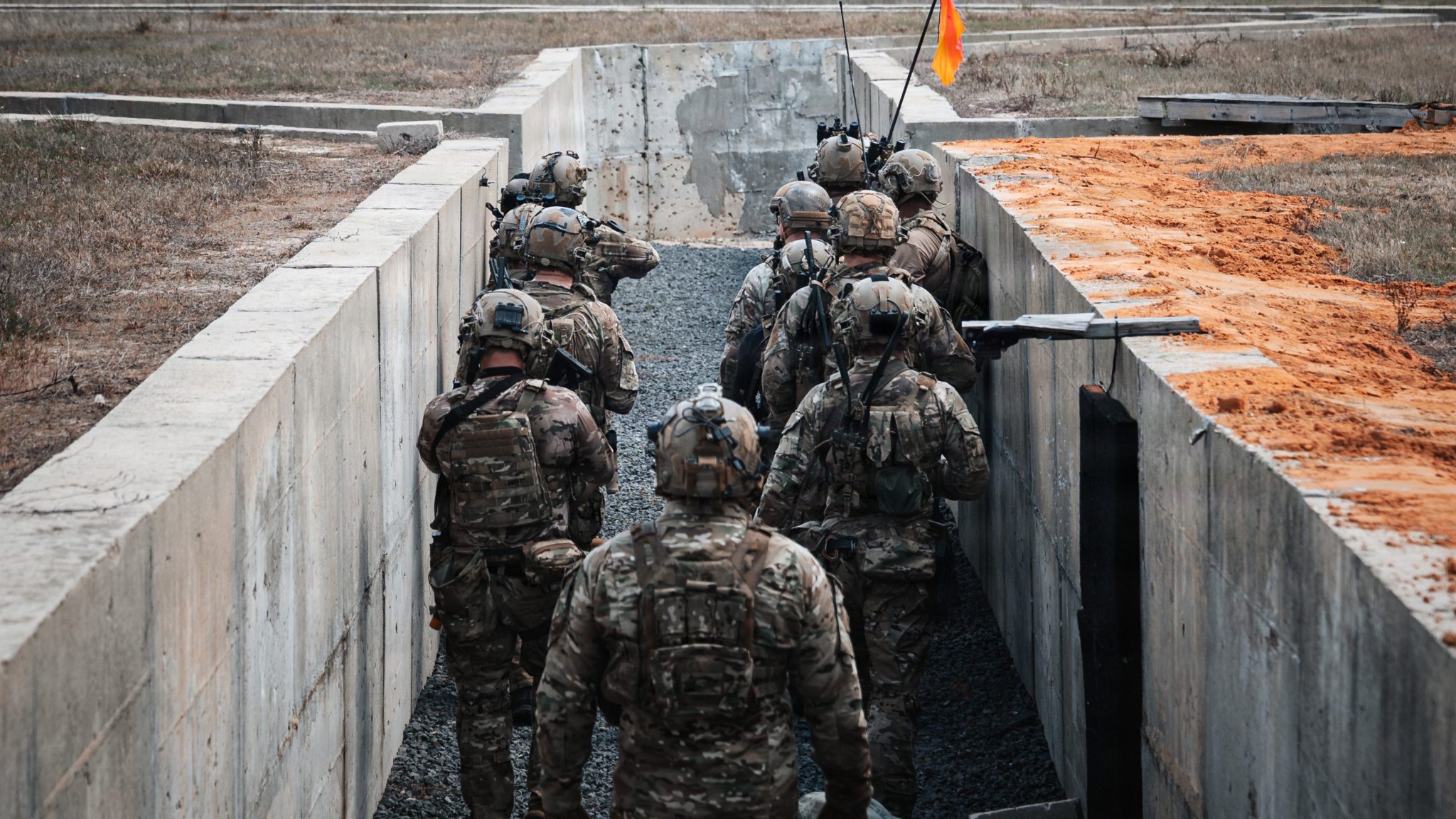
A federal jury has convicted a man for the drug-related killings of a soldier and an Army veteran with ties to elite units at Fort Bragg, North Carolina, in 2020 — murdering one during a cocaine deal gone bad and the second deep in the base’s pine woods to cover his tracks.
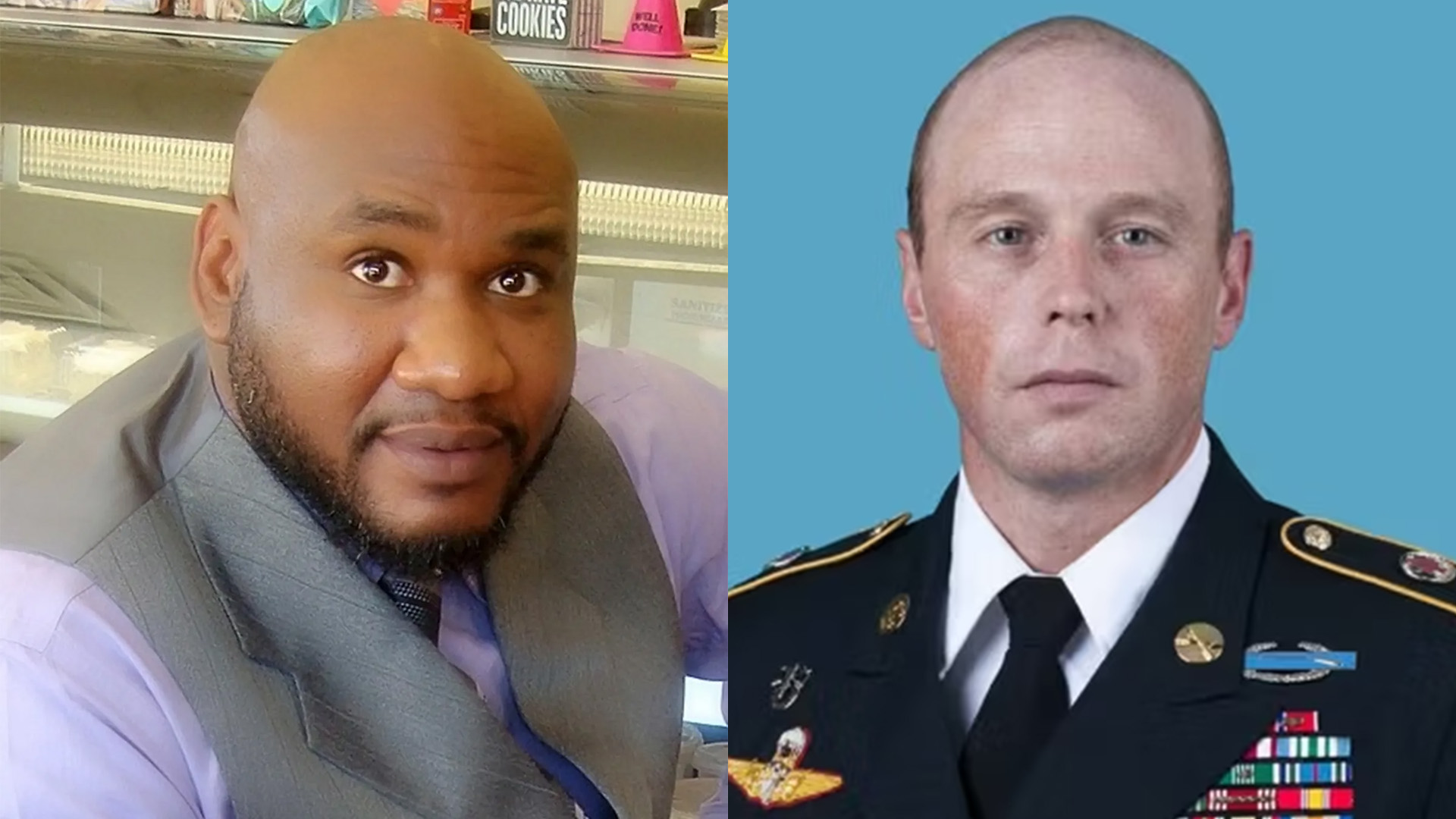
Kenneth Maurice Quick, Jr., 26, was convicted May 16 on eight counts related to the shooting deaths of Master Sgt. William “Billy” Lavigne, 37, and Army veteran Timothy Dumas, 44, in December 2020. A federal jury found Quick guilty on charges that included first-degree murder, drug conspiracy, and obstruction of justice after a trial in the eastern North Carolina town of New Bern.
Lavigne was widely reported to have been a former member of Fort Bragg’s secretive Delta Force, while Dumas was a retired supply soldier who worked as a civilian for Special Forces units on the base.
The bodies of both men were found shot to death in a secluded, wooded area on Fort Bragg that was accessible to the public in 2020.
Top Stories This Week
U.S. Attorney Ellis Boyle described the killings in a press release following the convictions, referring to the dead soldiers by their initials. According to the press release, the killings started when Dumas sold the cocaine to Lavigne, who intended to sell it to Quick.
“Quick took [Lavigne] to a trap house,” Ellis said, where “he shot him in the back five times.”
Dumas, “hoping to avoid the same fate,” Ellis said, agreed to help Quick dump Lavigne’s body in the woods on Fort Bragg, using Lavigne’s truck. However, when the truck became stuck in the sandy soil, Quick shot Dumas, “shooting him once in the head and once in the back,” Ellis wrote.
With another accomplice, Quick then found and moved Dumas’ truck, setting it on fire.
Drug use and earlier shooting
Lavigne’s death was not the soldier’s first brush with violence and drug use at the Fayetteville, North Carolina, base.
In 2018, Lavigne shot and killed Sgt. 1st Class Mark Leshikar, a soldier in the 19th Special Forces Group, at Lavigne’s home. The two men, who were reported to be close friends, had just returned home from a trip to Disney World with their families. An argument at Lavigne’s home escalated to a fight, police determined, and ended with Lavigne shooting Leshikar in the kitchen of Lavigne’s home.
Local police determined the killing was “justifiable homicide,” though a screwdriver that Lavigne said Leshikar was brandishing was never found, according to a subsequent Army investigation. Lavigne was not arrested, and no charges were filed.
A subsequent investigation by the Army’s CID found mistakes in the police investigation and documented extensive drug use by Lavigne, but did not recommend new charges, according to CID files obtained by journalist Chad Garland under the Freedom of Information Act.
Sentencing for Quick is scheduled for August, where he will face the possibility of a life sentence in the federal prison system, which does not have a system of parole
Loading comments…
Comments couldn’t be loaded. Please refresh the page.