After more than two decades of controversy, cost overruns, and early retirements, the U.S. Navy’s littoral combat ship is finally doing one of the things it was originally intended to do: hunt mines.
Multiple Independence-class LCSs are now operating out of Bahrain, or are scheduled to arrive soon, with a full suite of mine countermeasure (MCM) gear. These ships, plagued at one time by hull cracks, represent the Navy’s latest attempt to modernize one of the oldest mission sets in maritime warfare.
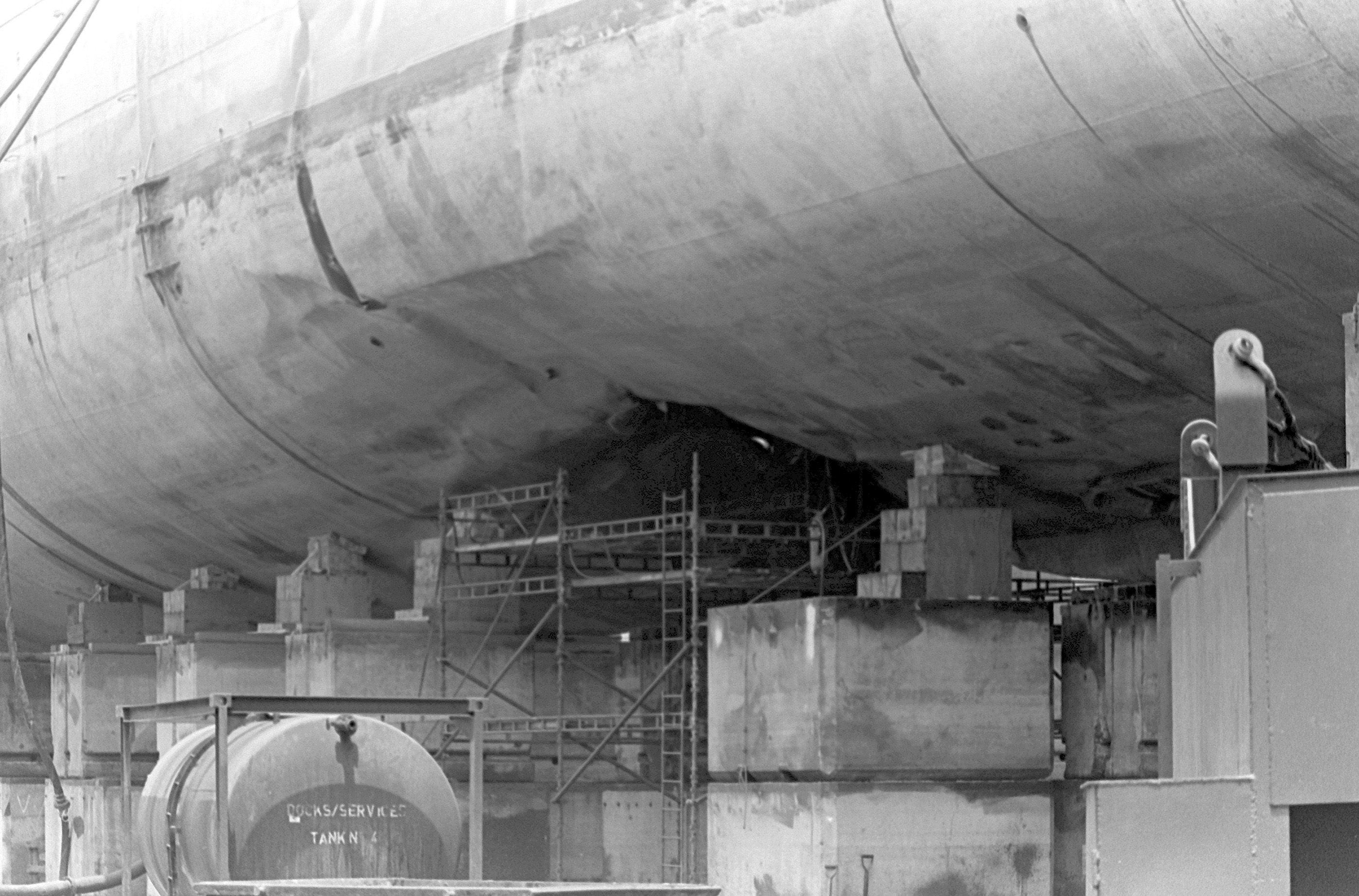
The Navy has good reason to be concerned about mines. In 1988, the USS Samuel B. Roberts nearly sank after hitting an Iranian mine in the Persian Gulf, prompting the launch of Operation Praying Mantis. In 1991, during the Gulf War, both the USS Tripoli and USS Princeton were damaged by Iraqi mines. These weren’t advanced weapons; they were decades-old moored or influence mines that go off when a ship is near, and they still did serious damage to powerful warships.
Today, the threat has only grown. China is believed to have an inventory of tens of thousands of naval mines, including bottom mines, rising mines, and rocket-assisted torpedo mines. Iran maintains Soviet-era stocks alongside more modern Chinese and homemade variants. Russia retained more than 300 mine designs from the Soviet Union and continues to develop influence mines with advanced sensors. Even North Korea has produced its own domestic designs.
Top Stories This Week
And the threat isn’t just static anymore. Uncrewed underwater vehicles (UUVs) and uncrewed surface vessels (USVs) are now being deployed in greater numbers by nations like Iran and Russia. These mobile systems can loiter, track targets, and detonate like a smart mine. While the LCS’s MCM package wasn’t built specifically to counter UUVs or USVs, its combination of high-resolution sonar, unmanned systems, and airborne sensors gives it a fighting chance.
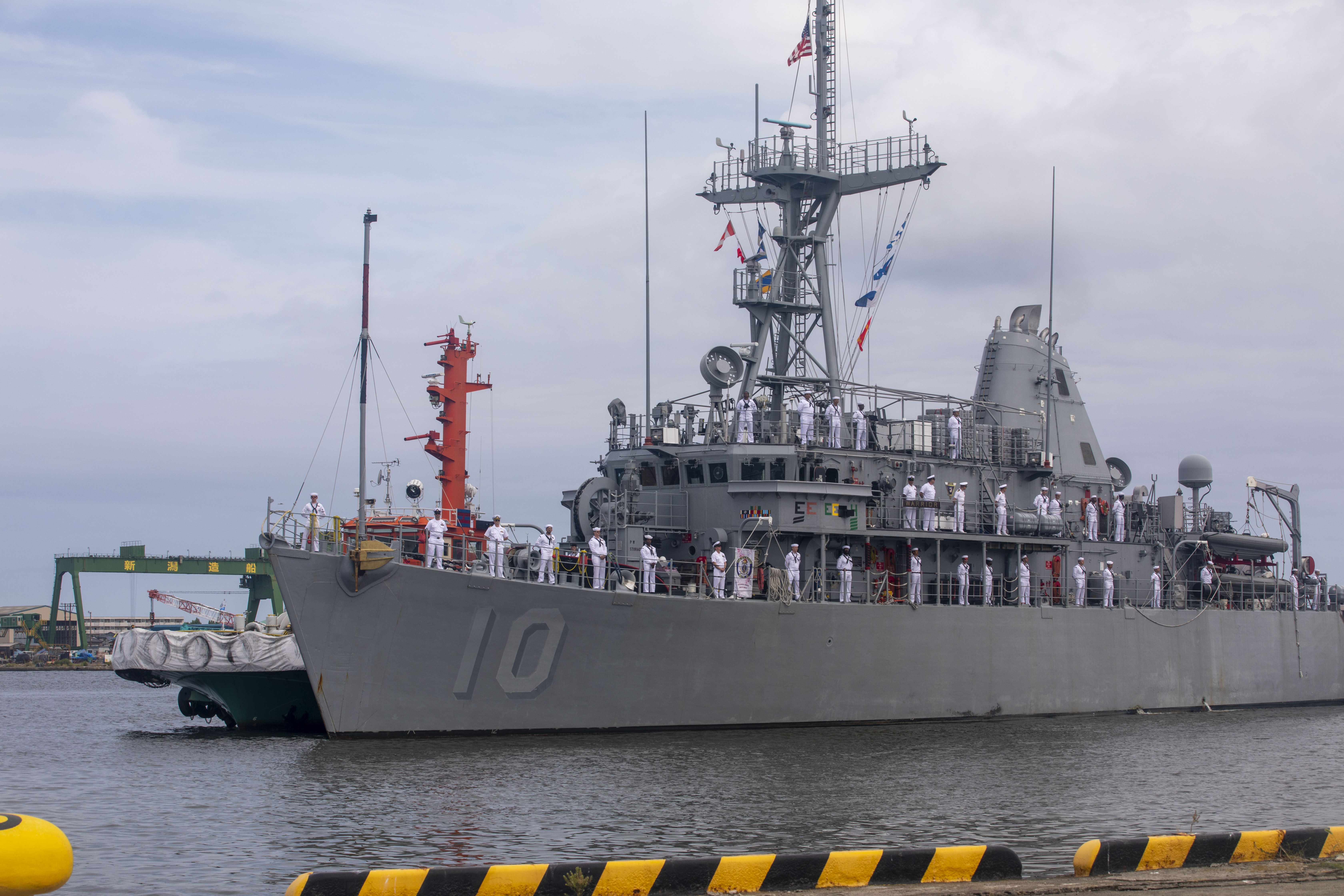
This is a big shift from where the Navy was. For decades, the backbone of the U.S. mine warfare fleet has been the Avenger-class minesweepers. These ships were built in the 1980s with wooden hulls wrapped in fiberglass to reduce magnetic signatures. The Avengers can tow mechanical and influence sweep gear, deploy divers, and operate in shallow water. But they’re slow, outdated, lack any meaningful self-defense systems, and can’t launch unmanned systems or helicopters. Only eight remain in service.
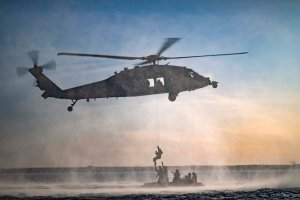
The Navy also leans on its helicopters for airborne mine countermeasures. The MH-60S Seahawk carries a laser-based detection pod called ALMDS and the Airborne Mine Neutralization System (AMNS). The older MH-53E Sea Dragon can tow mechanical and sonar sleds, but is maintenance-heavy and aging fast. Only 28 are still flying.
That brings us back to the LCS. Originally designed to perform surface warfare, anti-submarine operations, and mine countermeasures, the ship failed to meet expectations on the first two until recently, as the Navy upgrades some for counter-drone work. But after years of delay, the MCM package finally reached operational capability in 2023.
The system includes a mix of unmanned underwater and surface vehicles, towed sonar, and remote sweep gear. The Knifefish UUV is used to find buried and proud mines using low-frequency broadband sonar. The AN/AQS-20C sonar system is towed by an unmanned surface vessel and scans multiple depths. The Unmanned Influence Sweep System (UISS) mimics the magnetic and acoustic signature of a ship to detonate mines safely.
An MH-60S Seahawk operating from the ship adds airborne mine detection and neutralization capability. All of these components are modular, meaning they can be upgraded or swapped as needed.
The LCS also offers something the Avenger never could: survivability. It has a 57mm gun, Rolling Airframe Missiles, a SeaRAM launcher, and has even been tested with containerized missile systems. That makes it more capable of defending itself in contested environments.
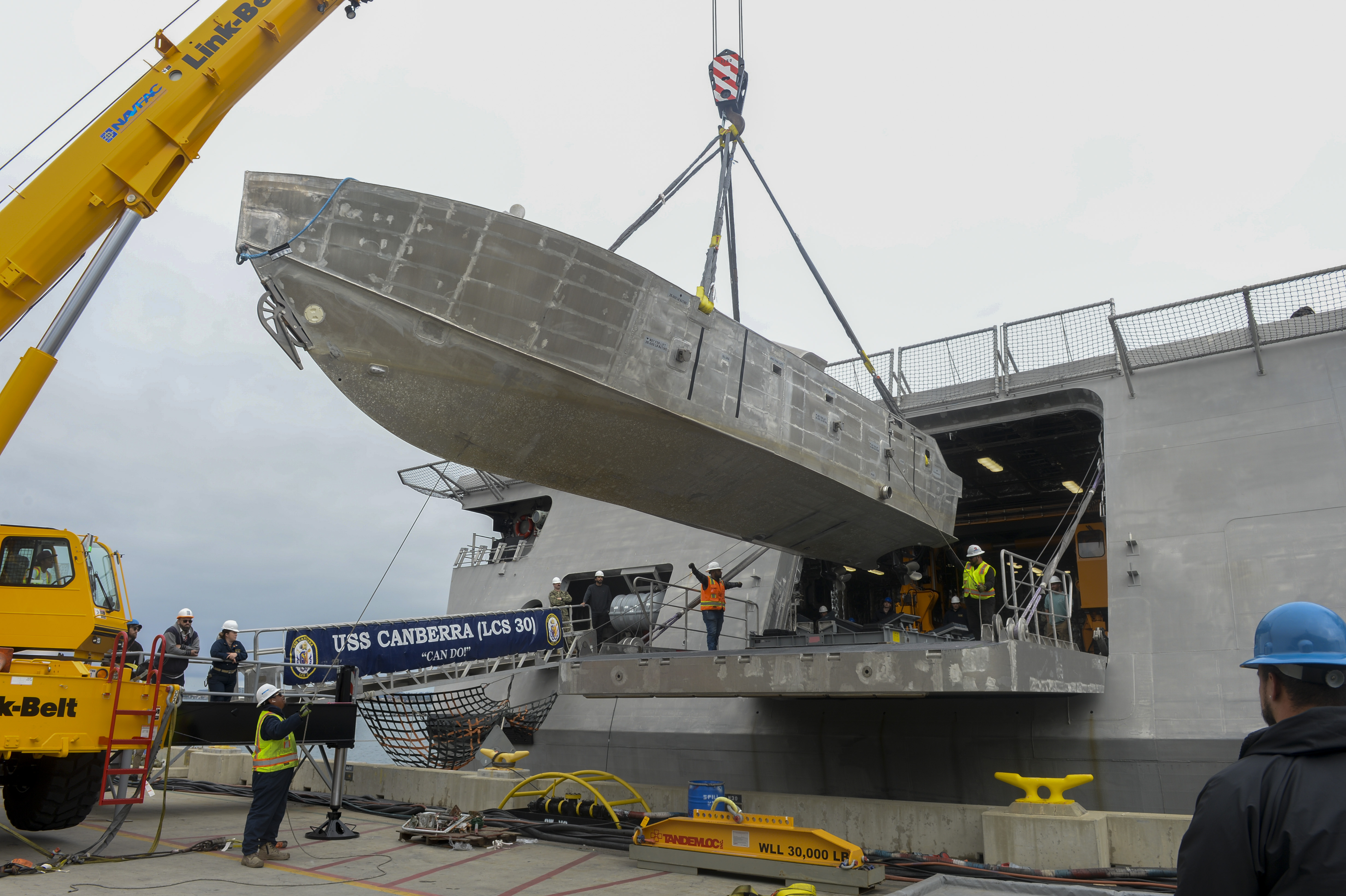
The first true operational deployments of the full MCM package began in 2024 with USS Cincinnati conducting testing in Bahrain. In early 2025, USS Canberra and USS Santa Barbara became the first LCSs deployed with the full minehunting suite in an active operational role. More are expected to follow.
It is worth noting that with remote systems and ample defensive capabilities, the LCS operating as a mine sweeper keeps sailors safer. Minehunting is a traditionally dangerous mission, and that makes the LCS even more attractive in this role.
And the timing matters. With Iran threatening to mine the Strait of Hormuz and global shipping facing new maritime drone threats, the Navy needs a deployable minehunting solution that doesn’t involve 40-year-old wooden ships. For now, the LCS is that solution.
The Independence-class ships with minehunting gear appear to have secured a future — at least in this role. There’s no official replacement yet for the Avenger-class or for the minehunting mission overall, but the robotic systems aboard LCS may be the blueprint. As we’ve recently discussed, the Navy’s Ghost Fleet of drone vessels seems perfect for clearing mines.
We dive much deeper into this on our YouTube channel check it out here, and let us know what you think.